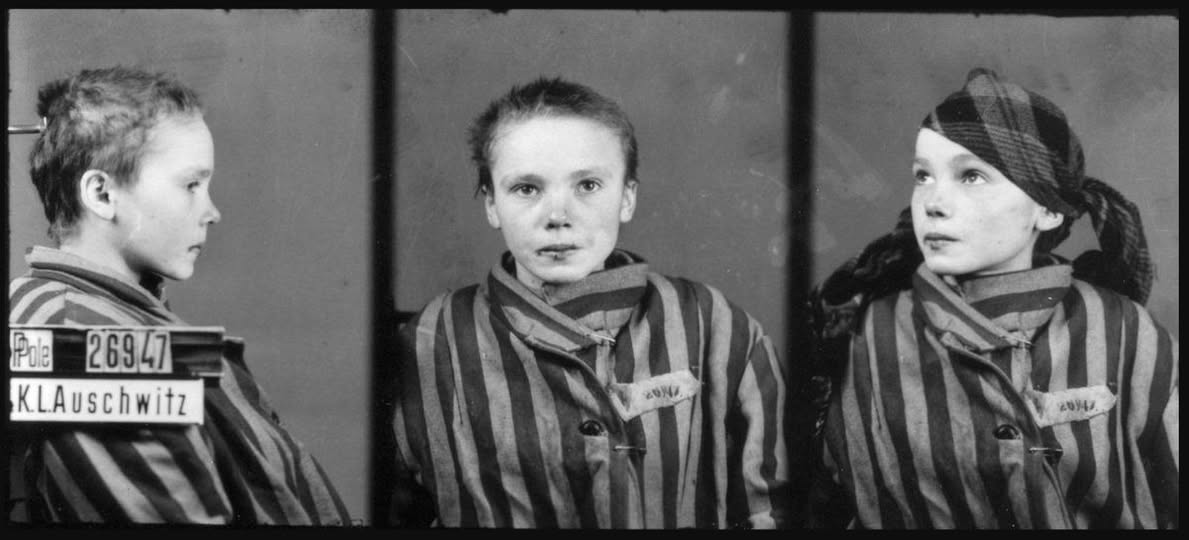
Czesława Kwoka – una ragazza polacca che divenne un simbolo della sofferenza ad Auschwitz
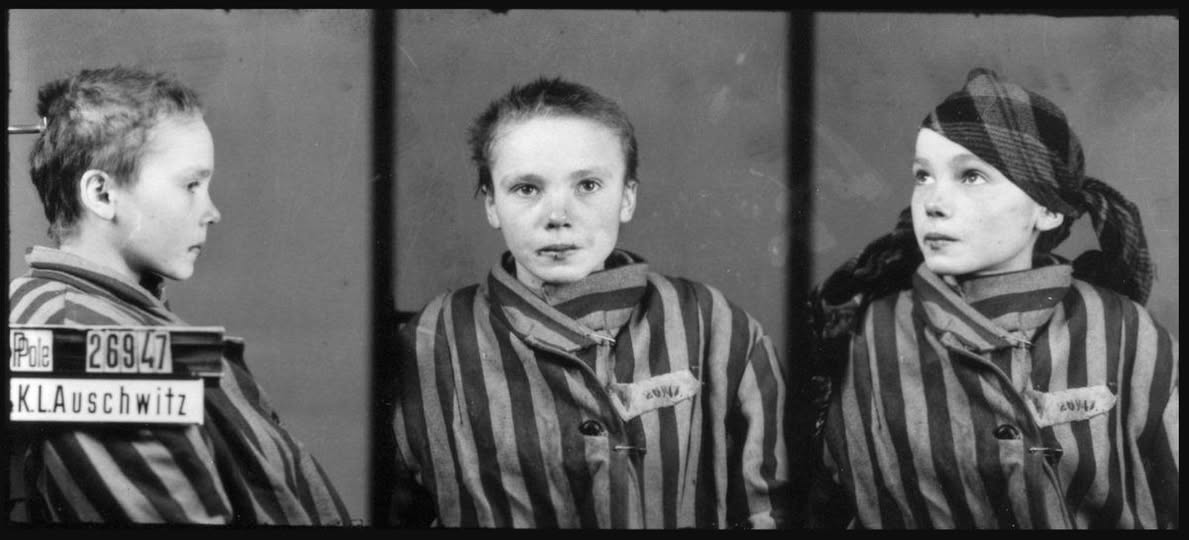
Il 15 agosto 1928, nel villaggio di Wólka Złojecka , nella regione di Zamość, nacque Czesława Kwoka . Era una ragazza polacca normale, figlia di Katarzyna, cresciuta in un’atmosfera di villaggio dove la vita scorreva lenta, in armonia con la natura. Nulla lasciava presagire che il suo destino sarebbe diventato uno dei testimoni più tragici dell’Olocausto , e il suo volto, immortalato in una fotografia del campo, avrebbe parlato alle generazioni future con una potenza superiore a mille parole.
Nell’autunno del 1942 iniziò una delle operazioni più brutali dell’occupazione tedesca: la pulizia etnica della regione di Zamość . L’obiettivo era espellere i polacchi e installare coloni tedeschi sulle loro terre. Anche Czesława Kwoka e sua madre vissero questo inferno. Il 13 dicembre 1942 fu deportata nel campo di concentramento di Auschwitz , con il numero 26947.
Per una ragazza di soli quattordici anni, il mondo ha improvvisamente smesso di essere uno spazio infantile ed è diventato una macchina di violenza, fame e paura.
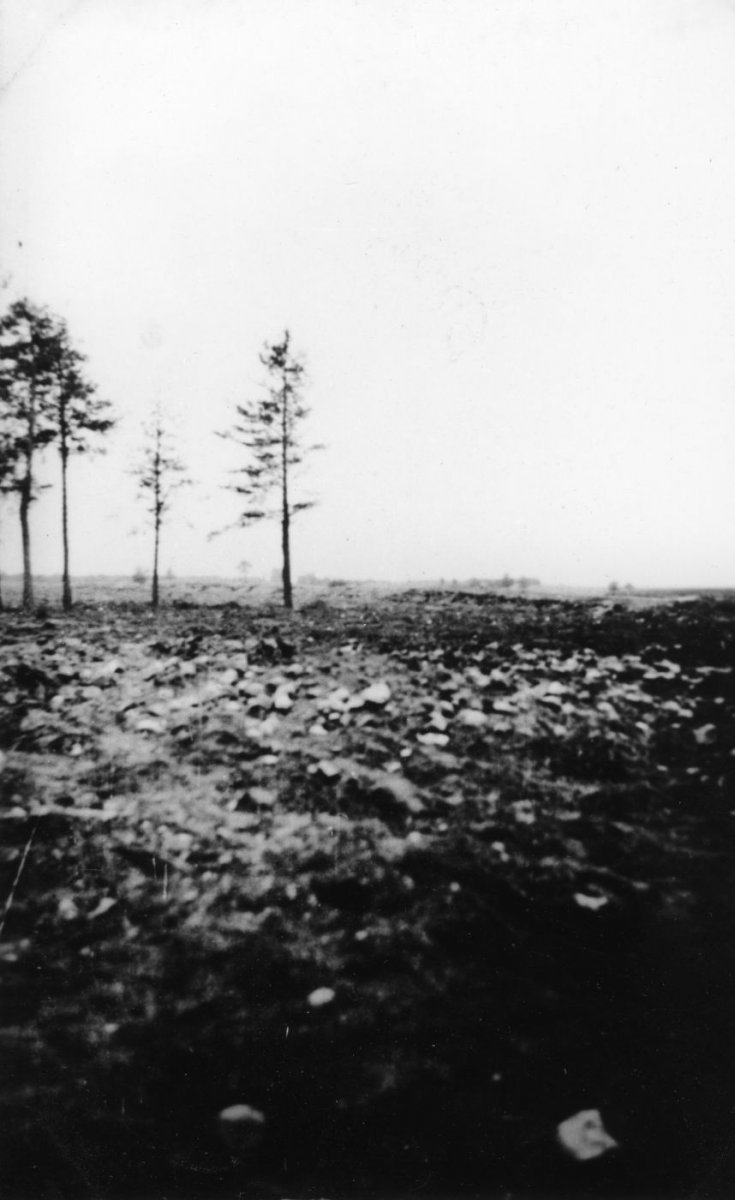
I bambini di Auschwitz erano un gruppo speciale di prigionieri. Quelli che non lavoravano, considerati “inutili” alla macchina bellica tedesca, erano spesso i primi a morire, nelle camere a gas, durante esperimenti medici o per iniezioni di fenolo nel cuore. Czesława Kwoka sopravvisse meno di tre mesi nel campo.
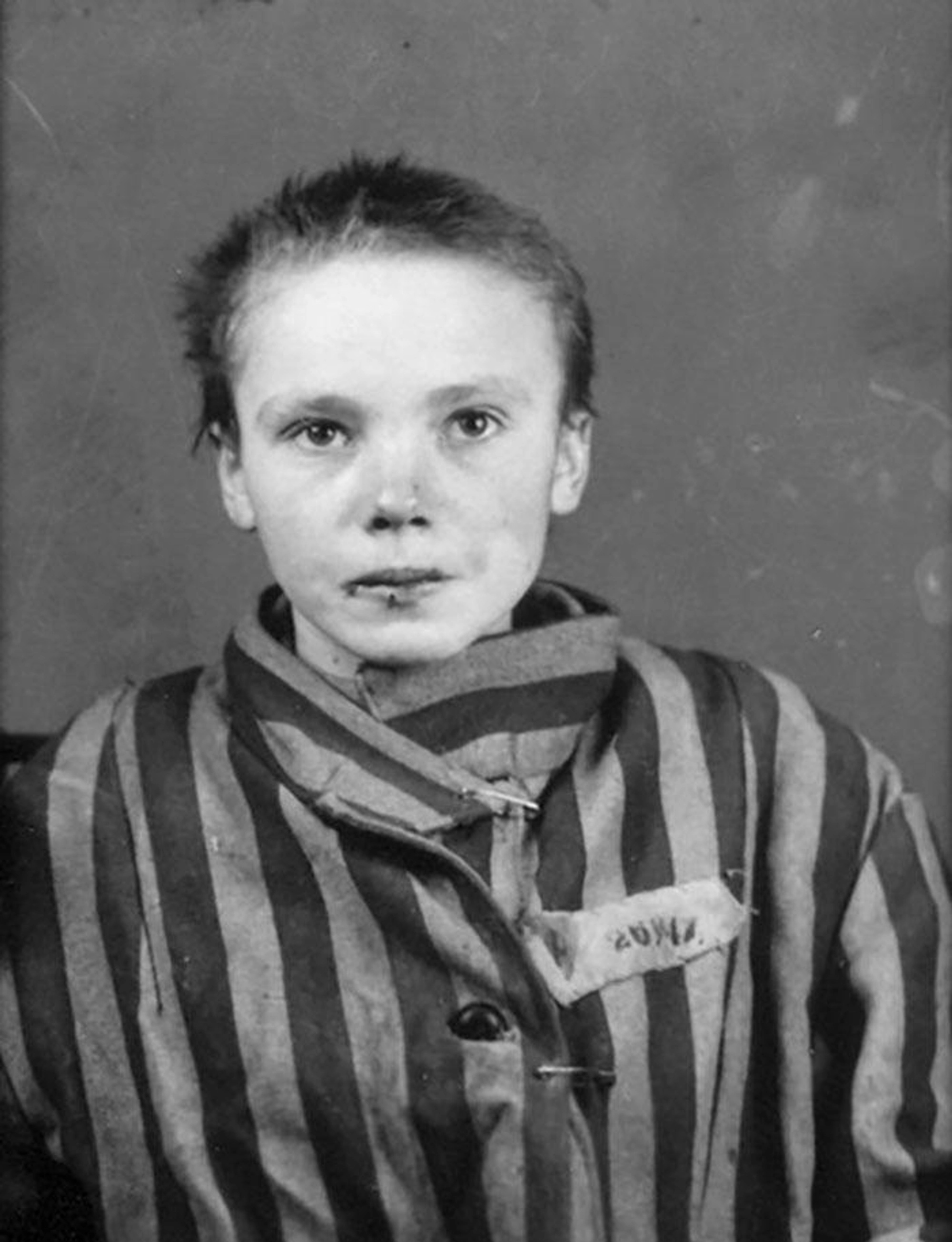
Durante questo breve periodo, visse ogni cosa orribile: fame, freddo, paura e umiliazione. Eppure, questa singola fotografia, scattata nella camera oscura del campo dal fotografo prigioniero Wilhelm Brasse , la salvò dall’oblio.
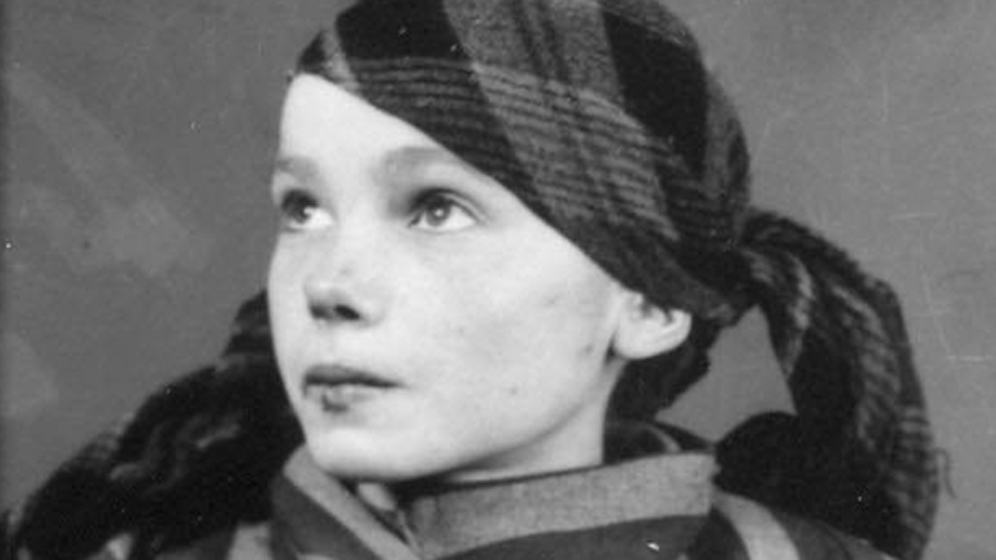
Il prigioniero di Auschwitz Wilhelm Brasse fu costretto a scattare migliaia di fotografie per documentare i nuovi detenuti. Tra queste c’era anche il volto di Czesława.
According to his testimony, just before the photo was taken, the girl was beaten by an SS overseer . This is evident in her eyes, in her swollen lip, in her look of pain and confusion. She did not understand the German orders – she was a child who did not speak a foreign language.
This look, captured on film, later became one of the most moving images of the Holocaust . Looking at this photograph, we see not only a victim but the entire tragedy of thousands of children who never had the right to grow up.
On March 12, 1943, just three months after arriving at Auschwitz, Czesława Kwoka was murdered with a phenol injection to the heart . She was only 14 years old. Her mother, Katarzyna, had died earlier, also in the camp.
Thus ended a life that was just about to begin.
Today, Czesława Kwoka’s name appears in history books, museums, and survivor testimonies. Her face can be seen at the Auschwitz-Birkenau Museum , where it is one of the most moving features of the exhibition.
But this isn’t just the story of one girl. It’s a symbolic tale of the children of the Holocaust , of thousands of innocent lives brutally cut short.
In an age of fake news, disinformation, and the disappearance of authentic testimonies, every personal story becomes an invaluable source of truth. Czesława’s photography reminds us that the Holocaust is not a statistic, but a human face and tragedy .
When we look at Czesława’s camp photograph, we see more than just sadness. We also see silence and innocence , brutally confronted by an inhuman system. Her gaze speaks volumes than entire history books.
For many people, this photo became an impulse to become interested in the fate of children in the camps, to understand that behind every number there is a person – with a name, with a date of birth, with dreams that never came true.
Wilhelm Brasse himself said after the war:
“She was so young, so lost. She didn’t understand what was happening. I’ll remember her face forever.”
This testimony demonstrates how deeply the victims’ memories were etched. Brasse, forced to photograph thousands of people, never forgot the look in the eyes of this one girl.
Today, during our visit to Auschwitz, Czesława’s photograph hangs among hundreds of other prisoner portraits. But it is her face that captures the visitors’ attention. Perhaps because it displays an innocence and vulnerability that contrast with the cruelty of the system.
Her story inspires artists, filmmakers, and writers. Documentaries, articles, and books are currently being written, all attempting to tell the same story: that of a lost childhood, injustice, and the power of memory.
Ogni ricordo di Czesław Kwoka non è solo un atto di memoria, ma anche un monito per il futuro . In un mondo costantemente afflitto da conflitti, violenza e odio, la sua fotografia ci ricorda la strada che può prendere il nostro disprezzo per gli altri.
È anche un invito a coltivare valori umanistici: empatia, compassione, rispetto della dignità.
Il 15 agosto 1928 iniziò una vita destinata a prosperare. Il 12 marzo 1943, fu bruscamente interrotta. Tra queste date, si svolge la storia di Czesław Kwoka , la ragazza il cui volto divenne un’icona in memoria dei bambini di Auschwitz .
Che la sua storia ci ricordi che anche le più piccole prove – una fotografia, un ricordo, un semplice sguardo – possono cambiare il modo in cui guardiamo al passato.
Perché la memoria non è solo una storia. È un obbligo.
Để lại một bình luận