What would a father do if he had only seconds to save his family from an approaching army? For Jaguar Paw, there was no time to find a safe hiding place or prepare an escape. As warriors stormed his village, he made a desperate decision: he lowered his pregnant wife and young son into a deep pit, hoping its darkness would conceal them from the attackers. He believed he had found a way to protect the people he loved. But he could never have imagined that the same hiding place would become a dangerous trap, leaving his family completely dependent on his ability to return.
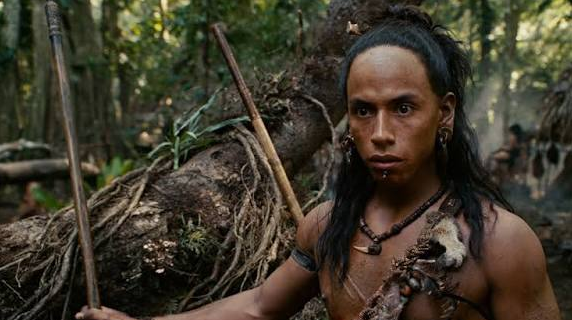
Jaguar Paw was a young hunter living peacefully with his wife, Seven, and their young son in a small village surrounded by dense rainforest. Their lives were simple, shaped by the rhythms of hunting, gathering, and family life. Seven was pregnant with their second child, and although their future was uncertain, they had a home and a community where they belonged.
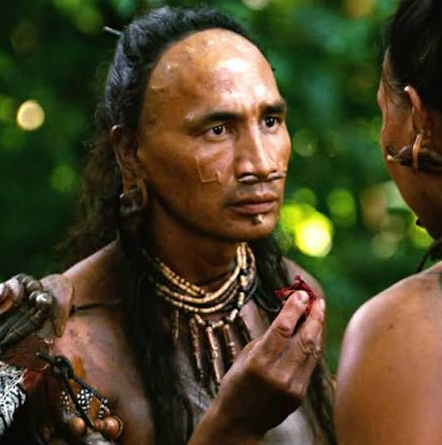
For Jaguar Paw, protecting his family was not an abstract responsibility. It was part of everything he did. He knew the forest, understood its dangers, and had learned to survive in an environment where nature could be both generous and unforgiving. But nothing in his experience could have prepared him for what was about to happen.
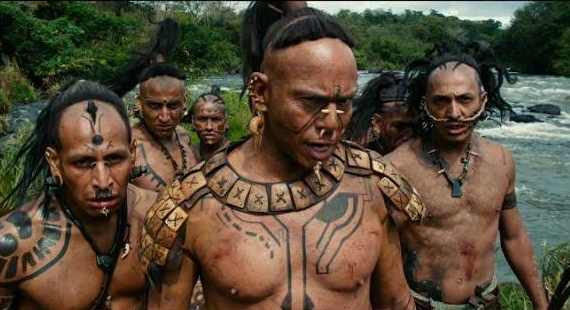
One day, the village was thrown into chaos when a group of Maya warriors launched a sudden attack. The villagers had little time to react. Armed men moved through their homes, capturing people and destroying the peaceful world they had known. Fear spread as families struggled to escape the violence.
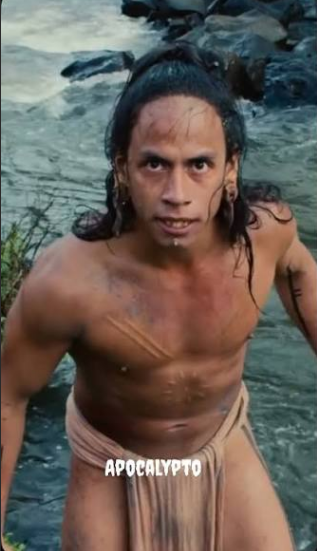
Jaguar Paw immediately understood that his wife and son were in terrible danger. He could not fight off the invading warriors while guaranteeing their safety. He had to make a decision quickly.
He took Seven and their young son to a deep pit hidden in the ground. It was a desperate hiding place, but he believed it could protect them from the attackers. He carefully lowered them inside, knowing that remaining above ground would expose them to immediate danger.
For a father watching his pregnant wife and little boy disappear into the darkness, this was not an ordinary decision. It meant leaving the people he loved in a place where they could not easily defend themselves, while he faced the danger above.
Yet Jaguar Paw had little choice. He believed the pit would keep them hidden until the attack was over. He could not have known how drastically events would unfold.
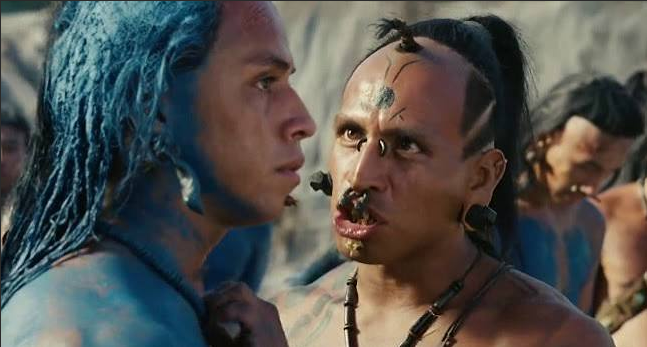
Before he could return to them, the warriors captured him along with other villagers. His freedom disappeared in an instant. He was bound, surrounded by armed men, and forced to leave the village with the other prisoners.
But his thoughts remained behind.
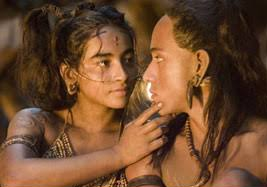
While the captors moved farther into the forest, Jaguar Paw knew exactly where his family was. His wife was pregnant, his son was still very young, and both were trapped underground without a clear way out. The pit that had offered temporary protection could now become their greatest danger.
The longer he remained away, the more frightening the situation became. They had no way of knowing whether the attackers had left, whether anyone would find them, or how long they could survive without help.
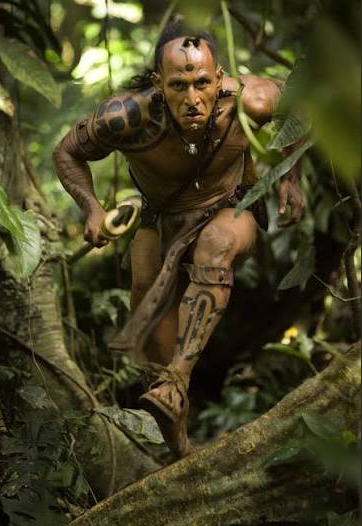
This was the burden Jaguar Paw carried throughout his captivity. Other prisoners were facing the same terrifying uncertainty about their own futures, but he had another fear that never left him: the possibility that he might never see his family again.
The journey through the forest became increasingly difficult. The captives were forced to walk under the control of the warriors, with little opportunity to rest or escape. Jaguar Paw could not simply turn around and run back. His hands were bound, his movements controlled, and every attempt to resist could bring immediate consequences.
Yet even in those circumstances, he remained focused on one thing.
He had to survive.
For Jaguar Paw, staying alive was no longer simply about preserving his own existence. Every moment he remained alive was another possibility that he might eventually return to Seven and their son. The thought of them waiting underground gave his struggle a purpose that went beyond fear.
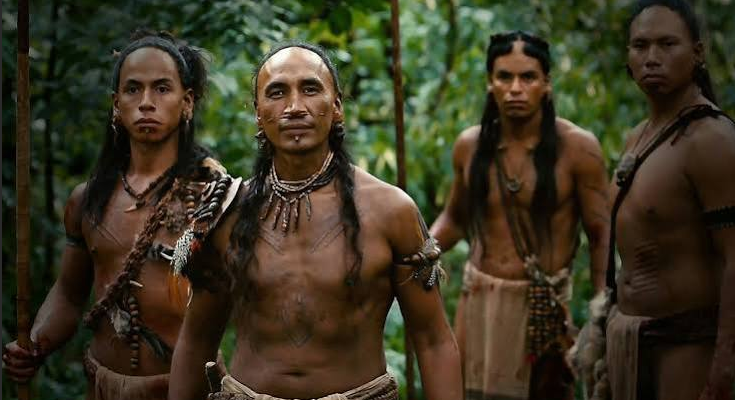
As the prisoners were taken farther away, the distance between Jaguar Paw and his family grew. He could not send a message, ask for help, or even know what was happening back at the village. He was completely separated from the people who needed him most.
That helplessness was perhaps the cruelest part of his captivity.
A hunter accustomed to reading the forest and making decisions for himself had suddenly become a prisoner with almost no control over his circumstances. He could observe, think, and wait, but he could not choose where to go. The man who had once protected his family now had to depend on circumstances beyond his control for the chance to return.
Meanwhile, Seven and their son remained trapped in the pit. The situation became even more dangerous when water began rising inside it. What had initially been a hiding place was turning into a potential death trap. Seven had to protect herself and her child while facing the terrifying possibility that the water would reach them before help arrived.
Her pregnancy made the situation even more difficult. She could not simply climb out without risking herself and her child, and the walls of the pit offered little opportunity to escape. She had to remain strong despite the growing danger.
The contrast between the two situations makes this part of the story particularly heartbreaking. Above ground, Jaguar Paw was fighting to escape the warriors who had taken him. Underground, his wife was fighting to keep herself and their son alive. Both were struggling against dangers that seemed impossible to overcome, and neither knew how much longer the other could endure.
For Jaguar Paw, every obstacle standing between him and freedom also stood between his family and survival. He could not afford to surrender, because his defeat would mean abandoning the people he had risked everything to protect.
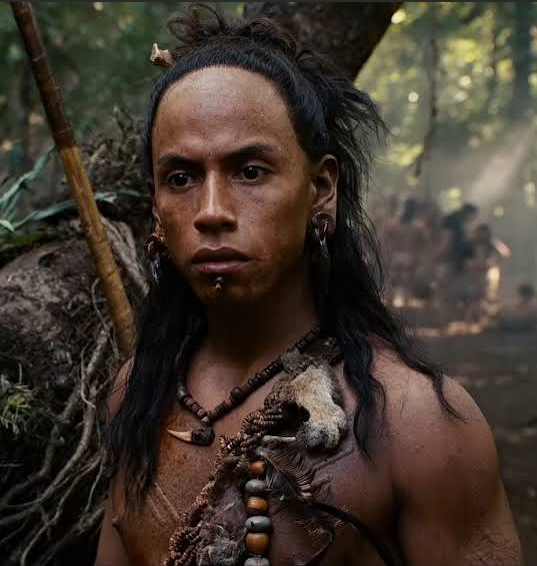
His journey eventually took an even more terrifying turn when the captives were brought to a large Maya city. There, Jaguar Paw witnessed human sacrifices and realized that his own life could be taken at any moment. He was no longer simply a prisoner being transported away from home. He had become someone whose survival depended on circumstances he could not predict.
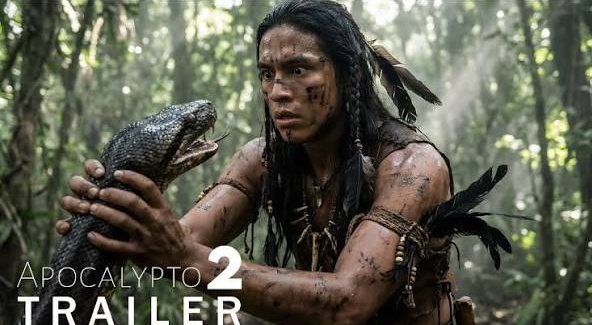
When a solar eclipse interrupted the sacrificial ceremony, he narrowly escaped execution. But freedom was still far from certain. The warriors took the surviving captives outside and turned their release into a deadly hunt.
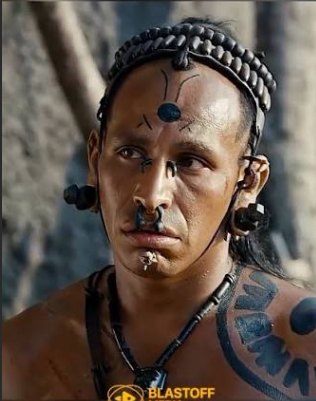
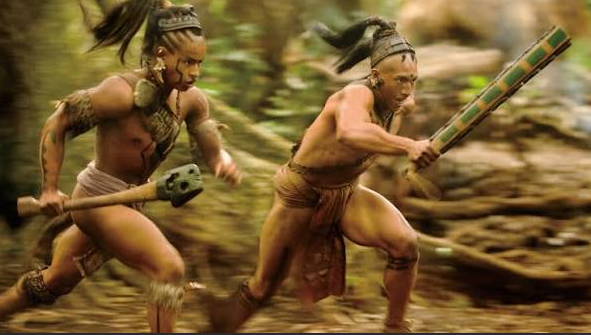
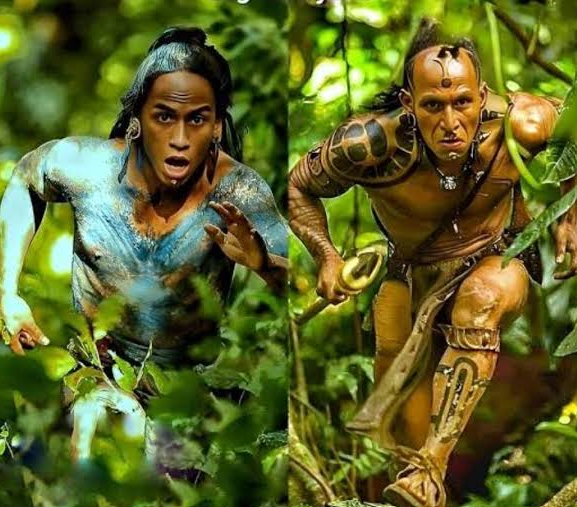
Jaguar Paw was forced to run for his life while the warriors pursued him. Yet this time, he had an opportunity to use the skills he had developed as a hunter. The forest was familiar territory, and he understood how to move through it, recognize danger, and use the environment to his advantage.
He was wounded and exhausted, but he continued moving. The thought of Seven and their son remained the strongest reason to keep fighting.
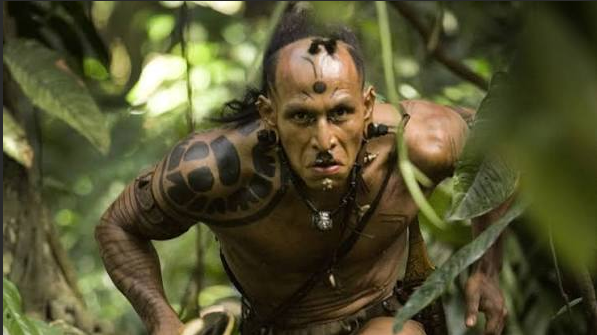
The warriors believed they were chasing a helpless prisoner. They did not fully understand that the man they were pursuing was fighting for something far more important than his own survival.
As the chase continued, Jaguar Paw gradually turned the situation against his pursuers. He used his knowledge of the jungle and his determination to survive, refusing to let the men hunting him dictate the outcome of his life.
Eventually, the pursuit brought him near the coast, where he encountered an entirely unexpected sight: Spanish ships appearing offshore. The arrival of these unfamiliar vessels suggested that a much larger historical change was beginning, but Jaguar Paw’s immediate concern remained unchanged.
He did not turn toward the ships. He returned to the forest.
Somewhere behind him, his family was still waiting.
After enduring captivity, escaping execution, and surviving a relentless pursuit, Jaguar Paw finally made his way back to the place where he had hidden Seven and their son. The return was not simply the end of a dangerous journey. It was the moment he had been fighting for since the day the warriors attacked his village.
He found his family and brought them out of the pit. The people he had been desperately trying to reach were still alive.
For Jaguar Paw, this reunion represented something that no victory over his pursuers could ever replace. He had faced death repeatedly, but his greatest fear had always been arriving too late to save the people he loved.
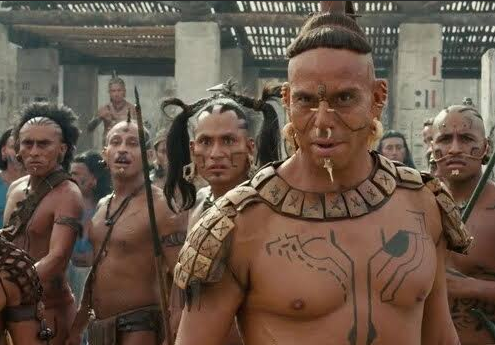
His story is especially powerful because it shows two different forms of survival. Jaguar Paw had to fight his way through the world above ground, while Seven had to endure the growing danger inside the pit. Neither could guarantee the other’s safety, yet both continued fighting against circumstances that threatened to destroy their family.
The pit was supposed to be a temporary refuge, but it became a test of endurance for the people trapped inside it. Meanwhile, the father who had placed them there had to overcome an entire chain of dangers before he could return.
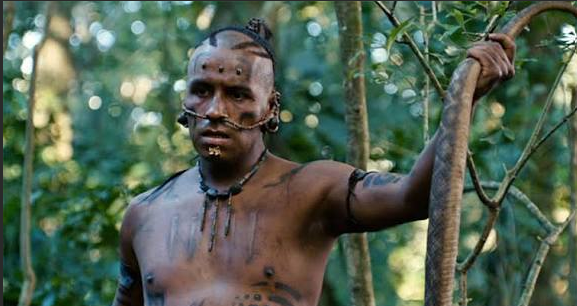
Perhaps the most moving part of this story is that Jaguar Paw never knew for certain whether he would see his family again. He had no guarantee that they were still alive, no assurance that he would escape, and no promise that his efforts would be enough. All he had was the determination to keep going.
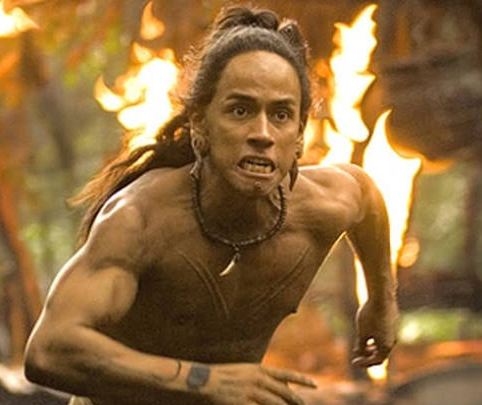
And sometimes, that is what makes a parent extraordinary. Not the ability to defeat every enemy or control every danger, but the refusal to abandon the people who depend on them, even when the chances of returning seem painfully small.
If you were Jaguar Paw, knowing that your pregnant wife and young child were trapped underground while you were being taken farther and farther away, would you still believe you could return in time to save them?
Để lại một bình luận