
It looked, at first glance, like any other goal celebration. Alessia Russo rose to meet the ball, directed a clean header into the net, and then formed a simple letter “C” with her hands as the Emirates Stadium crowd roared. Arsenal were already in control against West Ham United on a March afternoon in 2026. The result would finish 5-0. For most watching, the gesture registered as a quiet personal touch amid the usual chaos of a Women’s Super League match.
Then Russo explained it.
The “C” stood for Cara Jo, a young Arsenal supporter who had been battling cancer. Russo had visited her a couple of weeks earlier. The girl passed away on the Thursday before the game. “She was a proper fighter and a proper gooner,” Russo said afterwards. “So, yes, that was for her and her family.”
That small, deliberate motion — formed in the middle of a professional football pitch in front of thousands — landed with far more weight than a standard celebration. Fans who saw the clip and read the explanation felt it immediately. In a sport that still fights for every column inch and every moment of mainstream attention, here was one of England’s most recognisable strikers choosing to turn a goal into a private memorial. The story behind that moment stretched further than the 90 minutes.

The Visit That Preceded the Celebration
Russo did not turn the dedication into a lengthy public campaign. She simply scored, made the gesture, and later offered a concise, sincere explanation in the post-match interview. The details that emerged were sparse but powerful: a young fan, a terminal illness, a personal visit from the player she supported, and then the loss. Russo described Cara Jo as a fighter. That single word carried the weight of the encounter.
In women’s football, where players still often remain more accessible than their male counterparts, these connections form part of the culture. Supporters frequently note that Russo is among the last players to leave the pitch after matches, lingering to sign shirts, take photos, and speak with young fans. Security has reportedly had to usher her away more than once. The visit to Cara Jo fitted that pattern of quiet consistency rather than a sudden change of character.
What elevated the moment was the timing. The girl had died only days earlier. Russo still chose to mark the goal in public. She could have kept the grief private. Instead she used the platform of a WSL match at the Emirates to create a visible tribute that the family and other supporters could see. That choice turned a personal act into something shared.
From Grassroots to the Biggest Stages
To understand why the gesture resonated so widely, it helps to place Russo in the broader arc of her career and of the women’s game itself. Born in Maidstone in February 1999, she grew up in a sporting family with Italian roots through her grandfather. She played boys’ football early on, progressed through local clubs including Bearsted, and eventually earned a place in the England youth setup. A stint in the American college system at North Carolina added physicality and tactical awareness before she returned to England and established herself at Manchester United Women.
The move to Arsenal in 2023 marked a new chapter. At the Gunners she has become a central figure in a side chasing domestic and European success. Internationally she has been part of successive England teams that have rewritten the nation’s football story. She contributed as a substitute during the Euro 2022 triumph on home soil, including that memorable back-heeled finish against Sweden. By Euro 2025 she was a starter, scoring the equaliser in the final against Spain before England retained the title on penalties. She has collected individual recognition too, including the FWA Women’s Footballer of the Year award after the 2024-25 season.
Through all of it, Russo has maintained a reputation for approachability. Young fans see her not only as a clinical finisher but as someone who still seems to remember what it felt like to stand on the other side of the barrier. The Cara Jo dedication distilled that quality into a single, wordless action on the pitch.
Why Moments Like This Matter in Women’s Football

Women’s football has grown at remarkable speed. Crowds at Emirates and other WSL grounds have increased. Television deals have improved. The Lionesses’ successive major tournament runs have created household names. Yet the sport still operates with a different emotional temperature from the men’s game. Players and supporters often speak of a closer bond, a sense that the athletes remain reachable even as the professional environment intensifies.
Russo herself has spoken in the past about the importance of that connection and the difficulty of maintaining it as the game expands. Training schedules, recovery protocols, media obligations and travel all reduce the time available for extended post-match interactions. When a player still finds a way to make a private visit to a seriously ill young supporter and then publicly honour her, it reinforces the idea that the human element has not been lost.
The gesture also arrived at a point when Arsenal were navigating a demanding period of fixtures. European nights, north London derbies and the relentless WSL calendar leave little emotional bandwidth. Choosing to carry the memory of Cara Jo into that environment said something about Russo’s priorities. It suggested that the young fan’s fight and her love for the club had left a mark that the player felt compelled to acknowledge in the most public space available to her.
The Ripple Effect Beyond One Batch
Social media and fan discussions amplified the story quickly. Supporters shared the clip of the celebration alongside Russo’s explanation. Many focused less on the goal itself and more on the decision to make the tribute visible. Parents of children facing illness saw a professional athlete treating a young supporter’s struggle with dignity. Arsenal fans recognised one of their own being remembered by a key player. Neutral observers noted the contrast with more theatrical or commercialised celebrations that sometimes dominate modern football.
There was no elaborate press conference, no foundation announcement tied specifically to this moment, no prolonged media tour. The power lay in the restraint. Russo scored, formed the letter, and later offered a few clear sentences. The rest was left for people to feel.
This approach aligns with patterns seen throughout her public interactions. Whether recording a short birthday message for a young admirer years earlier or lingering after matches to meet supporters, Russo has tended to favour direct, low-key acts over grand statements. The Cara Jo dedication fitted that style while carrying heavier emotional freight.
Looking Ahead While Holding the Memory
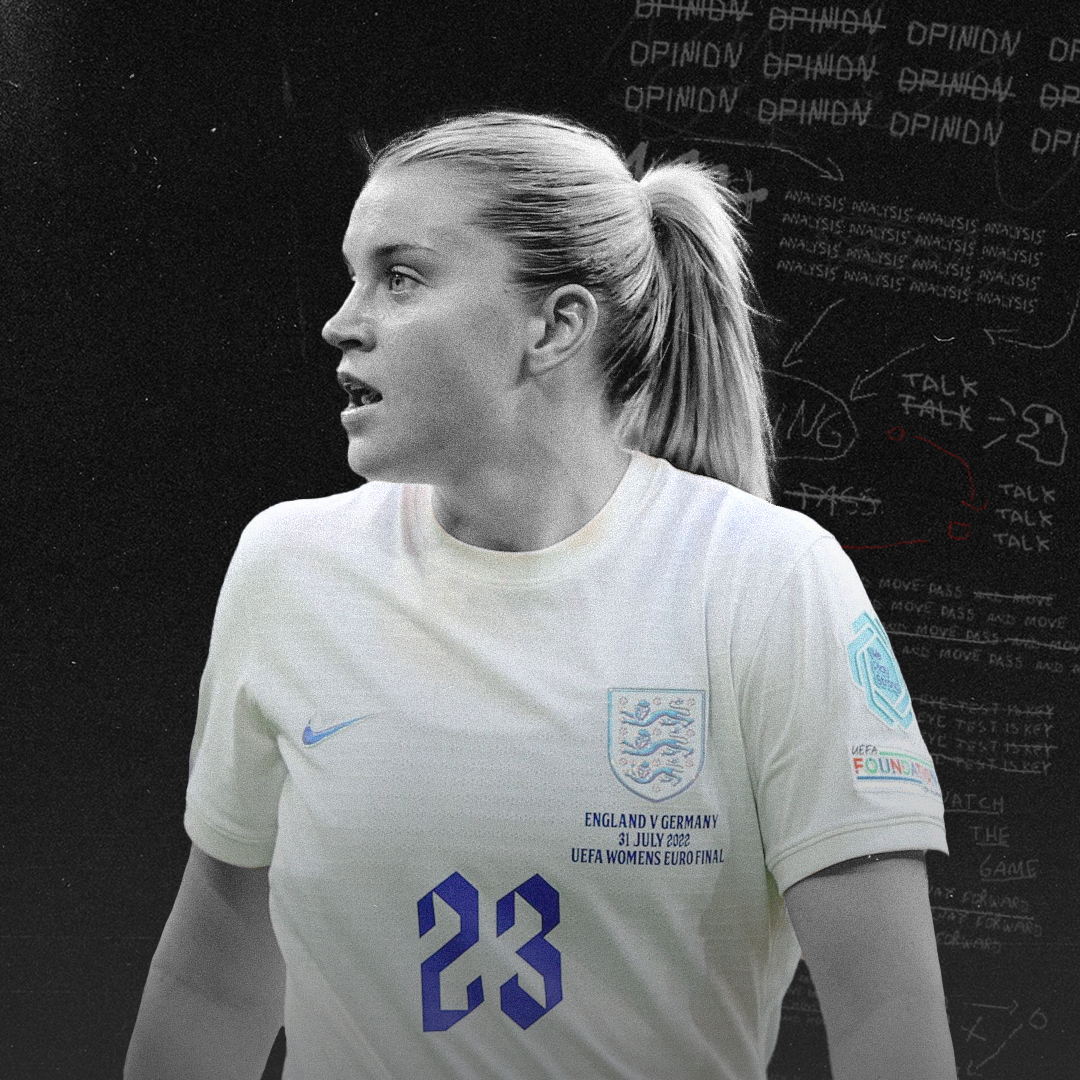
As the 2025-26 season continued and Arsenal prepared for further high-stakes matches, the moment remained a quiet reference point rather than a prolonged storyline. Russo kept performing. The team kept competing. Yet the image of the “C” celebration lingered for those who had followed the explanation.
In the wider context of women’s football in 2026, such stories serve a dual purpose. They humanise elite athletes at a time when the professional demands are intensifying. They also remind the growing audience that the sport’s appeal has always rested partly on emotional authenticity. Goals win matches. Gestures like Russo’s help sustain the connection that turns casual viewers into lifelong supporters.
The story behind that small hand signal was never complicated. A young Arsenal fan fought a serious illness. A player took the time to visit her. When the fan was gone, the player found a way to say her name without saying a word on the pitch. In an era of constant content and carefully managed public images, the simplicity itself became the point.
Football will keep producing spectacular goals, dramatic comebacks and trophy celebrations. Every so often it also produces a quieter moment that reveals something deeper about the people involved. Alessia Russo’s tribute to Cara Jo was one of those moments. It started as a letter formed with two hands after a header. It became a reminder of why so many people fall in love with the game in the first place.
What small acts of connection from players have stayed with you longest, and why do they matter in the modern women’s game?
Để lại một bình luận