
A.J. Hinch’s Emotional Message Puts Family, Resilience and Leadership in the Spotlight
The life of a Major League Baseball manager is often measured in wins, losses, playoff appearances and difficult decisions made under enormous pressure. For a manager such as A.J. Hinch, the spotlight can become particularly intense because every lineup decision, pitching change and clubhouse conversation can become part of the daily conversation surrounding the Detroit Tigers.
But imagine that the conversation suddenly moved away from baseball.
Instead of discussing standings, player development, postseason expectations or the challenges of a long MLB season, A.J. Hinch finds himself reflecting on something much more personal: a difficult period in his family’s life involving financial uncertainty.
Important note: The story below is a fictional scenario created for entertainment and commentary. It does not report a real financial hardship involving A.J. Hinch or his family, and readers should not interpret the fictional scenario as verified news.
That distinction matters because personal financial circumstances are extremely sensitive, particularly when they involve real people.
Still, as a fictional sports narrative, the scenario raises an interesting question: What happens when someone accustomed to leading others suddenly has to navigate uncertainty in his own personal life?

That question gives the story an emotional dimension that goes far beyond baseball.
Hinch has long been portrayed as a manager whose job requires preparation, accountability and the ability to remain composed when circumstances become difficult. A baseball season rarely goes exactly according to plan. Players get injured, winning streaks disappear, young prospects struggle and expectations change almost overnight.
The same basic principle can apply to life.
No amount of professional success can completely eliminate uncertainty. Careers can change. Investments can lose value. Unexpected expenses can arrive. Families can suddenly find themselves reconsidering long-term plans.
And when those moments arrive, the most important resource may not always be money.
Sometimes, it is the people standing beside you.
When Financial Stability Suddenly Becomes Uncertain
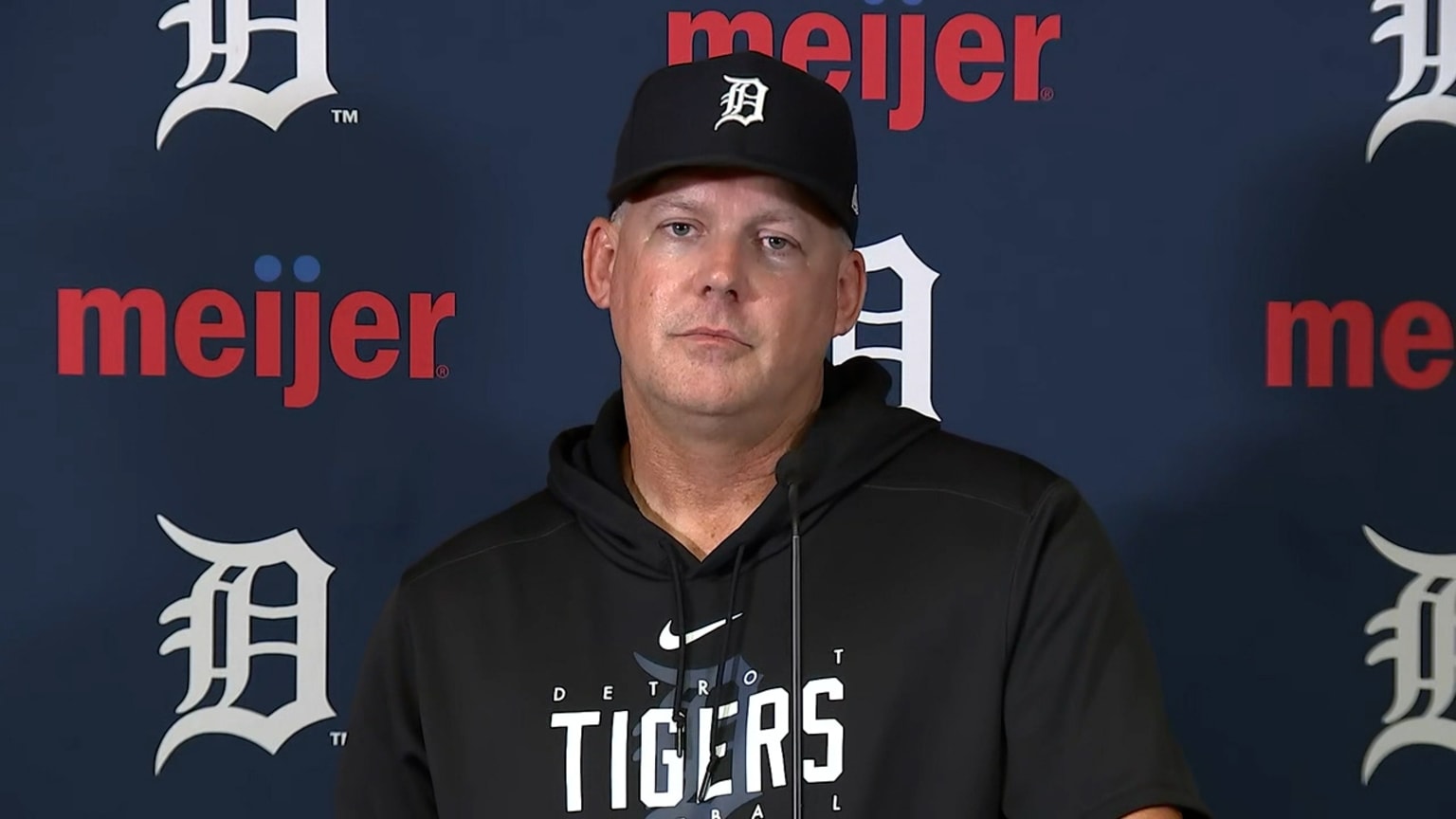
In this fictional scenario, Hinch’s family experiences an unexpected financial setback that forces them to reconsider several long-term plans.
There is no single dramatic event that explains everything.
Instead, the fictional story focuses on something much more relatable: the realization that financial stability can change faster than people expect.
For families, financial security is rarely about one number in a bank account. It can involve employment, savings, retirement planning, investments, insurance, housing expenses, education costs and countless other decisions.
That is why an unexpected setback can feel overwhelming.
Even people with successful careers can experience periods when they have to slow down, reassess priorities and make difficult choices.
In our fictional version of the story, that is precisely what makes Hinch’s perspective meaningful.
Rather than treating financial hardship as a sign of failure, the story frames it as an opportunity to reconsider what really matters.
The fictional message is simple:
A difficult financial chapter does not have to define an entire life.
That idea resonates far beyond the baseball world.
Many families understand the pressure of unexpected bills, changing employment circumstances, rising living costs or uncertainty about the future. Financial planning can provide an important safety net, but even careful planning cannot predict every challenge.
And when something unexpected happens, emotional support can become just as important as financial preparation.
That is where the fictional story begins to shift from money to family.
The Family Becomes the Real Foundation

In the imagined scenario, Hinch realizes that the experience has changed his perspective.
Professional accomplishments suddenly seem less important than the people who remain close when circumstances become difficult.
That is an idea many sports fans can understand.
Baseball is filled with statistics. Batting averages, ERA, home runs, strikeouts, WAR and winning percentages can tell us a great deal about performance.
But none of those statistics can measure what happens around the dinner table after a difficult day.
None can measure a spouse offering encouragement.
None can measure a parent reassuring a child.
And none can measure the strength that comes from knowing someone believes in you when you are uncertain about what comes next.
In my view, that is the strongest emotional message contained within this fictional scenario.
Financial security matters enormously. Smart budgeting, emergency savings, responsible financial decisions and long-term planning can all make a meaningful difference.
But financial planning is ultimately intended to protect something bigger: the people and experiences that matter most.
When circumstances become difficult, families often discover which priorities are truly important.
That can mean reducing unnecessary expenses, postponing major purchases, reviewing financial goals or simply having more honest conversations about the future.
Those decisions may not be glamorous.
But they can be powerful.
What Sports Leadership Can Teach Us About Adversity

There is also an interesting connection between the fictional family story and Hinch’s role as a baseball manager.
A manager cannot control everything.
He cannot control every pitch.
He cannot control every injury.
He cannot control how an opposing hitter reacts to a particular situation.
What he can control is preparation, communication, decision-making and the response to adversity.
The same philosophy can apply to personal challenges.
People cannot always control what happens to them.
They can control how they respond.
That does not mean pretending difficult circumstances are easy. It does not mean ignoring financial problems or hoping they disappear.
Instead, resilience often begins with acknowledging reality and deciding what can be done next.
That could involve creating a realistic budget.
It could mean reviewing household expenses.
It could involve speaking with a qualified financial professional.
It could mean building an emergency fund.
Or, sometimes, it simply means asking family members for support.
There is strength in admitting that you do not have every answer.
That lesson is particularly interesting when applied to leadership.
Fans often imagine successful leaders as people who always know what to do.
In reality, strong leadership can also involve uncertainty, humility and the willingness to listen.
That is one reason the fictional scenario surrounding Hinch works as a sports story.
It takes a familiar baseball concept — dealing with adversity — and moves it into an area of everyday life.

Why Tigers Fans Could Relate to the Message
Detroit Tigers fans understand adversity.
Baseball seasons are long, unpredictable and emotionally exhausting.
A team can look unstoppable one week and suddenly face a completely different challenge the next.
Young players can struggle.
Veterans can experience slumps.
Injuries can change plans.
Expectations can rise faster than anyone anticipated.
For supporters, those moments create an emotional connection with the team.
But that connection extends beyond the scoreboard.
Fans often appreciate athletes and managers not only for what they accomplish professionally but also for the values they represent.
That is why stories about resilience, family and perseverance can resonate so strongly with sports audiences.
A baseball manager is still a human being.
Behind the uniform, press conferences and dugout decisions is a person dealing with many of the same fundamental questions faced by everyone else.
How do you handle uncertainty?
How do you protect your family?
How do you stay optimistic when circumstances become difficult?
How do you keep moving forward when the original plan no longer works?
Those questions do not belong exclusively to professional sports.
They belong to everyone.
The Financial Lesson Hidden Inside the Story

Although this is a fictional narrative, it also provides an opportunity to discuss a serious subject: financial resilience.
Financial stability is not simply about earning a high income.
It can involve how effectively someone manages expenses, savings, debt, insurance, investments and unexpected costs.
A household can benefit from having an emergency fund capable of covering essential expenses during difficult periods.
Long-term financial planning can also help families prepare for retirement, education costs, home ownership and other major life goals.
However, financial planning should always be based on an individual’s circumstances.
What works for one household may not work for another.
That is why readers dealing with significant financial decisions should consider consulting appropriately qualified financial, tax or legal professionals rather than relying solely on entertainment articles or social-media posts.
This is another area where the fictional Hinch story becomes surprisingly relatable.
Nobody can predict every financial challenge.
But people can prepare.
And preparation can create options when circumstances change.
A Different Definition of Success
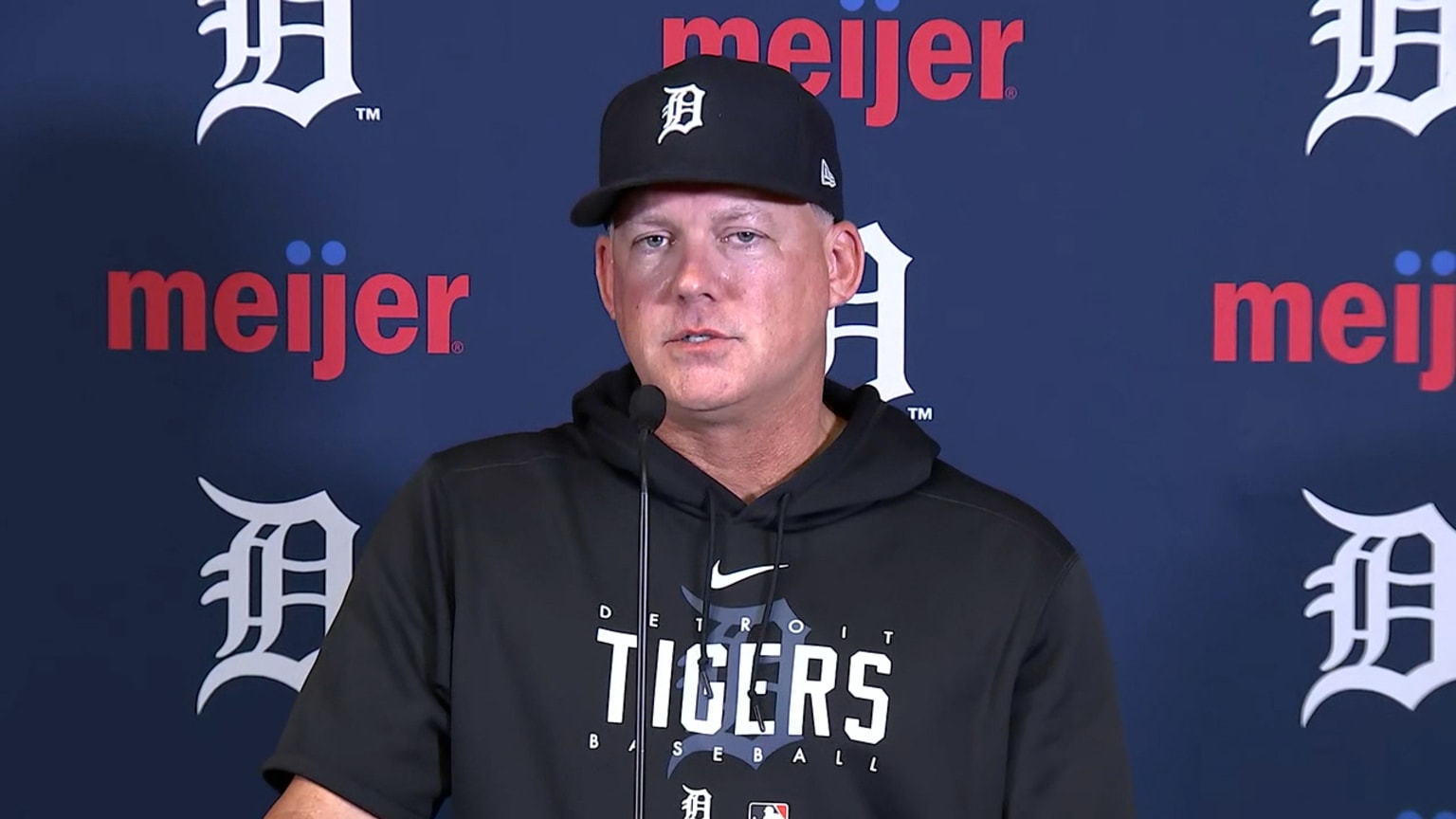
Professional sports frequently define success through championships.
Fans remember trophies.
Players remember career milestones.
Managers are judged by winning percentages and postseason results.
But life offers a much broader definition of success.
A person can have an impressive career and still face difficult personal circumstances.
A family can experience financial pressure and still remain strong.
Someone can experience failure without becoming a failure.
That distinction is important.
The fictional story involving Hinch is ultimately less about money and more about perspective.
It suggests that when circumstances become difficult, people may discover that their greatest source of strength is not their professional reputation, bank balance or public image.
It may be their family.
It may be their friends.
It may be their community.
And sometimes it may simply be the decision to wake up the next morning and keep going.
Why This Story Feels Bigger Than Baseball
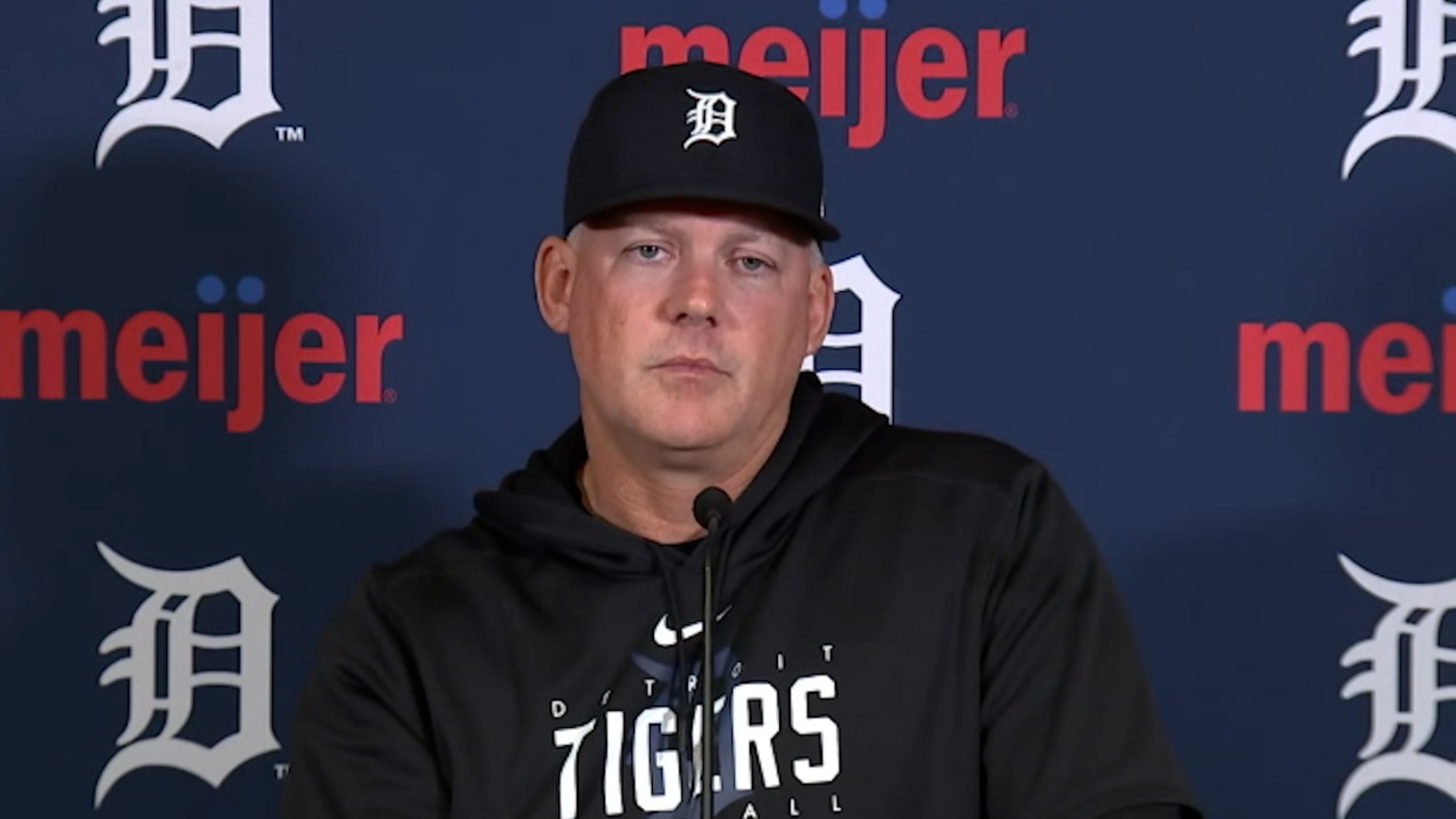
The most compelling sports stories are not always about a final score.
Sometimes they are about the person behind the uniform.
That is what makes this fictional A.J. Hinch scenario different from a conventional Detroit Tigers story.
There is no box score to analyze.
There is no pitching matchup to predict.
There is no trade rumor to debate.
Instead, the narrative asks readers to consider something much more universal: How would you respond if your financial security suddenly became uncertain?
Would you panic?
Would you change your plans?
Would you ask for help?
Would you discover that your family was stronger than you realized?
Those questions can stay with a reader long after the baseball discussion ends.
And perhaps that is the most interesting lesson.
Final Thoughts: Resilience Is Bigger Than the Game
The fictional story of A.J. Hinch facing a difficult financial period is ultimately a story about resilience rather than wealth.
It reminds us that professional success does not make anyone immune to uncertainty.
It also reminds us that financial challenges should not automatically be viewed as personal failures.
Life changes.
Plans change.
Circumstances change.
What matters is how people respond when those changes arrive.

My personal view is that the most powerful part of this fictional scenario is its emphasis on family rather than finances. Money can provide security and opportunity, but emotional support, trust and strong relationships can become especially valuable when everything else feels uncertain.
For baseball fans, the message is easy to understand.
Every season has its difficult innings.
Every team eventually faces adversity.
And sometimes the most important victory is simply finding a way to keep moving forward.
For the Detroit Tigers community, that idea carries a familiar meaning: resilience is not about avoiding every setback. It is about responding when the setback arrives.
And whether the challenge happens on a baseball field, inside a workplace or around a family dinner table, the principle remains the same.
The hardest chapter does not necessarily become the final chapter.

🤖 AI Content & Image Disclaimer
AI Content Disclosure: This article may use AI-assisted technology to enhance writing, presentation and visual storytelling. Any AI-generated or AI-enhanced images are used for illustrative and entertainment purposes to make the content more visually engaging. Images should not be interpreted as authentic photographic evidence of the events described.
⚠️ Disclaimer
This article is a fictional scenario created for entertainment, commentary and storytelling purposes. It does not report a verified real-life financial hardship involving A.J. Hinch or his family. Any statements presented within the fictional narrative should not be treated as factual reporting. Readers should consult reliable official sources for verified Detroit Tigers and MLB news.
Information relating to personal finance is provided for general educational and entertainment purposes only and should not be considered financial, investment, tax or legal advice.
💭 Personal Opinion
In my opinion, the most meaningful takeaway is that resilience is not measured by how much money someone has or how successful their career appears. It is measured by how they respond when life becomes unpredictable — and by the people who remain beside them when it does.
Để lại một bình luận